Top 10 Dog Training Tips
Discover the top 10 dog training tips to establish an effective bond with your furry companion. Utilize positive reinforcement techniques and consistency for successful training.
In "Top 10 Dog Training Tips," Small Door's medical experts offer helpful advice for pet parents looking to train their dogs. With positive reinforcement techniques being the most effective method, the article emphasizes rewarding good behavior rather than punishing bad behavior. Consistency is key, and short training sessions throughout the day, along with training in different locations and with varying levels of distraction, can lead to successful training. The article also suggests breaking behaviors down into smaller parts and making training fun for both the dog and owner. By incorporating these tips, pet parents can establish a strong bond and effective communication with their four-legged companions.
Top 10 Dog Training Tips
Training your dog is one of the most important and rewarding things you can do as a pet parent. It helps ensure that your dog is well-behaved, safe, and happy. If you're looking for some tips to help you get started, you've come to the right place! Here are the top 10 dog training tips:
Use positive reinforcement techniques
Positive reinforcement training is widely recognized as the most effective method of dog training. Instead of punishing bad behavior, focus on rewarding your dog for good behavior. This helps reinforce the association between good behavior and positive outcomes. When your dog responds positively to your commands or demonstrates good behavior, reward them with treats, praise, or playtime. Remember to avoid inadvertently rewarding unwanted behavior by not giving attention to bad behavior.
Find the right reward
Every dog is different, and their preferences for rewards will vary. Some dogs are food-motivated and will respond enthusiastically to edible treats, while others may prefer playtime or affection. Experiment with different rewards to find what motivates your dog the most. Soft, chewy treats are often preferred by many dogs, but it's essential to consider your dog's individual preferences and adjust accordingly.

Consistency is key
Consistency is crucial when it comes to dog training. Use the same words, intonation, and cues consistently to avoid confusing your dog. It's also important for everyone in your household to be consistent with the rules and commands. Dogs thrive on consistency and need it to learn new habits effectively. If one person allows the dog on the couch while another doesn't, it can lead to confusion and hinder the training process.
Train little and often
Short training sessions throughout the day are much more effective than long, infrequent sessions. Keep the training sessions to a maximum of five minutes to prevent your dog from becoming distracted or frustrated. Dogs also struggle with generalizing commands to different situations, so it's beneficial to repeat training in various locations, with different people, and with varying levels of distraction. This helps your dog learn to respond correctly to the same command in any situation.
:strip_icc()/fun-and-easy-dog-tricks-1117309_final-5c8d880763aa42fb879ae09dd3514253-00abace26875464785f054d8fec111c5.png "Top 10 Dog Training Tips")
Build up in stages
Starting small and breaking behaviors down into smaller parts can be helpful, especially for more complex behaviors or behavior modifications. When training a behavior like "come," for example, praise and reward your dog even for taking one step towards you in the beginning. It's easier to add more steps and build up to the whole behavior once your dog starts to understand and respond.
https://bestdogtrainingawards.com/
Make it fun
Training should be enjoyable for both you and your dog. Keep it positive and mix things up to make it interesting. Incorporate short play sessions into your training sessions to keep your dog engaged. You can also consider teaching your dog tricks alongside regular obedience training. Dogs respond to enthusiasm, so showing excitement and celebrating their progress will motivate them to perform well.

Praise the small things
While it's essential to keep the end goal in mind, don't forget to praise your dog for any small improvements along the way. Celebrate each milestone and improvement, no matter how small. This positive reinforcement will keep both you and your dog motivated throughout the training process.
Work training into daily life
Integrating training into your daily routine makes it easier to fit in multiple short sessions. Incorporate commands or cues before giving your dog their meals, going for a walk, or playing with them. This helps reinforce the training and reminds your dog of the behaviors you expect from them regularly.
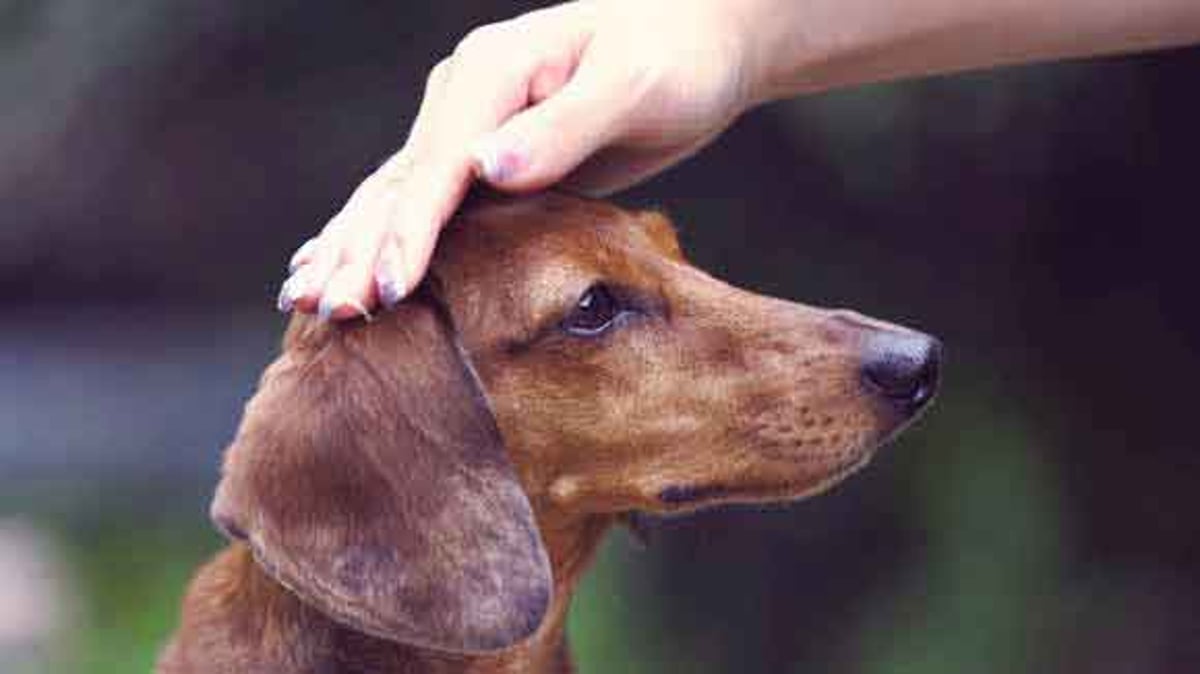
Use your hands
Dogs may respond better to hand signals than verbal commands. Combine hand signals with verbal cues or start with hand signals alone and gradually introduce verbal commands. Your dog will learn to associate the hand signals with specific behaviors, making it easier for them to understand and respond to your commands.
Consult a dog trainer or attend a training class
If you're struggling with training or want professional guidance, don't hesitate to contact a dog trainer or join a training class. Professional trainers have the knowledge and experience to address various training issues effectively. They can provide personalized guidance and support to help you and your pup succeed. Take time to research trainers and ensure they use positive reinforcement techniques.
By following these top 10 dog training tips, you can build a strong bond with your dog and help them become a well-mannered member of your family. Remember to be patient, consistent, and always reward good behavior. Happy training!
